 Email Marketing
A successful email marketing strategy starts with a quality email list. Learn how to collect email addresses ethically, segment your audience, and deliver personalized email campaigns that increase engagement, generate more enquiries, and improve customer retention.
How to Build a Quality Email List
Before you can generate leads, nurture prospects, and retain customers through email marketing, you need one essential asset, a quality email list. A quality email list is a collection of people who have willingly shared their contact information because they're interested in your business, products, or services. Unlike purchased databases or random contact lists, these are people who already know your brand and have given you permission to communicate with them.
For this reason, building an email lists more about attracting the right audience and creating opportunities for them to stay connected with your business.
The stronger the quality of your email list, the higher your chances of generating meaningful engagement, enquiries, and sales.
Where Should Your Business Collect Email Addresses?
Many businesses are already collecting customer information without realizing its long-term marketing value. Every interaction with a potential customer is an opportunity to grow your email list.
Some of the most effective places to collect email addresses include:
· Your website
· Contact and enquiry forms
· Quote request forms
· Newsletter subscriptions
· Free consultations
· Product demonstrations
· Downloadable brochures, catalogues, or company profiles
· Industry guides and checklists
For example, a real estate company can offer a property investment guide in exchange for a visitor's email address, while a law firm can provide a legal compliance checklist for businesses.
Google Ads Landing Pages
If you're investing in Google Ads, every landing page should capture visitor information—not just promote your services.
Rather than sending prospects to a page with only a phone number, include forms that allow them to:
· Request a quotation
· Book a consultation
· Download a brochure
· Schedule a product demonstration
This ensures every marketing campaign contributes to building your email database, even if a visitor isn't ready to buy immediately.
Social Media Campaigns
Social media shouldn't only be used to generate likes and followers.
Use platforms like Facebook, Instagram, LinkedIn, and TikTok to encourage prospects to:
· Register for webinars
· Download valuable resources
· Join your newsletter
· Request a consultation
· Access exclusive offers
This allows you to move conversations from social platforms, where algorithms control visibility to an email list that your business owns.
Existing Customers
One of the most overlooked sources of email subscribers is your current customer base.
Every customer who purchases your products or services should become part of your long-term communication strategy.
With their permission, you can continue sharing:
· Product updates
· Industry insights
· Educational content
· Exclusive offers
· Customer appreciation campaigns
Maintaining communication after the sale helps increase customer retention and repeat business.
Events, Exhibitions and Networking Sessions
Whether your business participates in trade exhibitions, conferences, workshops, or networking events, these interactions present valuable opportunities to grow your email list.
Instead of collecting business cards and forgetting about them, encourage attendees to register digitally so you can continue the conversation after the event.
Focus on Quality, Not Quantity
One of the biggest misconceptions about email marketing is that success depends on having a large database.
It doesn't.
A list of 500 engaged prospects who regularly open your emails and interact with your business is far more valuable than 10,000 contacts who never hear from you or have no interest in your services.
The goal is to build a list of people who genuinely want to hear from your business and are more likely to become customers.
Avoid Buying Email Lists
Buying email lists may seem like a quick way to reach more people, but it often does more harm than good.
Purchased databases usually contain contacts who have never interacted with your business or given permission to receive your emails. As a result, your campaigns are likely to experience low engagement, higher unsubscribe rates, spam complaints, and poor deliverability.
More importantly, you're spending time and resources communicating with people who may have little or no interest in your products or services.
Instead of buying contacts, invest in attracting the right audience through valuable content, SEO, Google Ads, social media marketing, and your website. The leads you generate through these channels are far more likely to engage with your emails and convert into loyal customers.
Email List Segmentation: Sending the Right Message to the Right Audience
Imagine sending the same email to every contact in your database.
A first-time visitor receives the same message as a loyal customer. A property investor looking for commercial real estate receives the same email as a family searching for their first home. An HR manager looking for employee training receives the same campaign as a CEO searching for executive leadership programmes.
The result? Many recipients ignore the email because it isn't relevant to their needs.
This is where email list segmentation makes all the difference.
What Is Email List Segmentation?
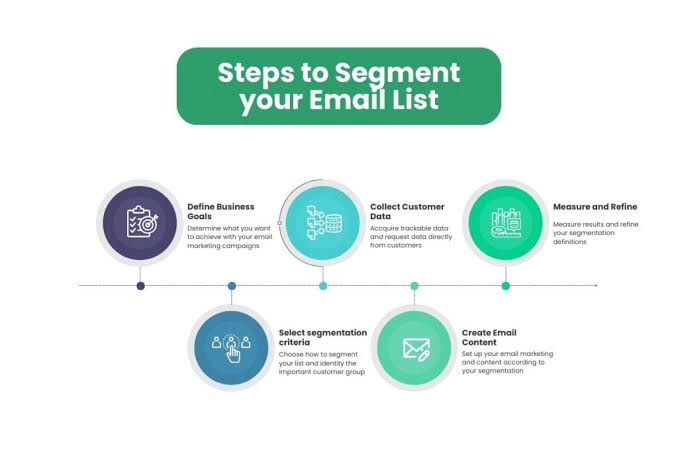
Email list segmentation is the process of dividing your email database into smaller groups based on shared characteristics, interests, behaviour, or where each person is in their buying journey. Instead of sending one generic email to everyone, segmentation allows your business to deliver more relevant messages that resonate with each audience.
For example, a customer who has already purchased from your business should receive different communication from someone who has only requested a quotation.
When your emails are relevant, people are more likely to open them, engage with your content, and take the next step.
Why Email Segmentation Matters
Every person on your email list is at a different stage of their journey with your business.
Some are still researching.
Some are comparing service providers.
Others are ready to buy.
And many are existing customers who expect continued value after making a purchase.
Sending the same message to all of them ignores these differences. Segmentation allows your business to communicate more personally, making every email feel timely and relevant rather than generic.
This leads to:
· Higher email open rates.
· More clicks to your website.
· Better engagement.
· Higher conversion rates.
· Stronger customer relationships.
· Improved customer retention.
Most importantly, it helps your business maximize the value of every contact you've already worked hard to acquire.
Practical Ways to Segment Your Email List
There isn't a single way to segment an email database.
The best approach depends on your business model, the information you've collected, and the customer journey you want to create.
Here are some of the most effective ways businesses in Kenya can segment their audience.
1. By Customer Type
Separate prospects from existing customers.
Someone requesting a quotation needs educational content and reassurance before making a decision.
An existing customer may benefit more from product updates, exclusive offers, or customer support resources.
2. By Industry
This is especially valuable for B2B businesses.
For example, if your business serves multiple industries, create separate email segments for:
Real Estate
Law Firms
Healthcare
Logistics
Corporate Training
Ecommerce
Manufacturing
Each industry faces different challenges and should receive content that speaks directly to its needs.
3. By Products or Services of Interest
If someone downloads a guide about SEO, they probably aren't looking for information about website hosting.
Similarly, a prospect interested in Google Ads should receive different follow-up content from someone interested in social media marketing.
Your emails should reflect what people have already shown interest in.
4. By Stage in the Buying Journey
Not every contact is ready to buy today. You can segment your audience into groups such as:
· New subscribers
· Marketing-qualified leads
· Prospects requesting quotations
· First-time customers
· Repeat customers
· Inactive contacts
Each stage requires different communication.
5. By Customer Behaviour
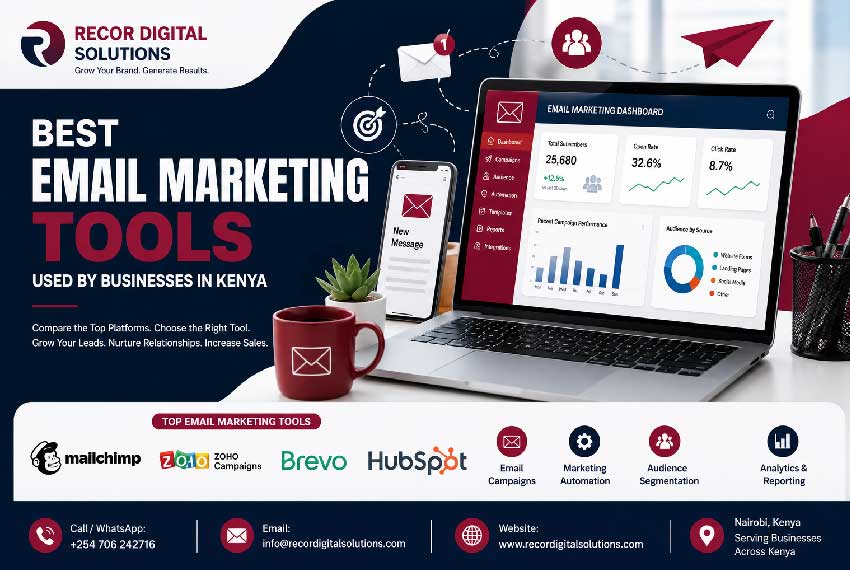
Modern email marketing platforms such as Mailchimp, Zoho Campaigns, and Brevo allow businesses to segment contacts based on how they interact with emails and websites.
For example, you can identify people who:
· Open your emails regularly.
· Click specific links.
· Download resources.
· Visit key pages on your website.
· Make repeat purchases.
· Haven't engaged for several months.
This allows you to create highly personalized campaigns based on actual customer behaviour rather than assumptions.