
 Email Marketing
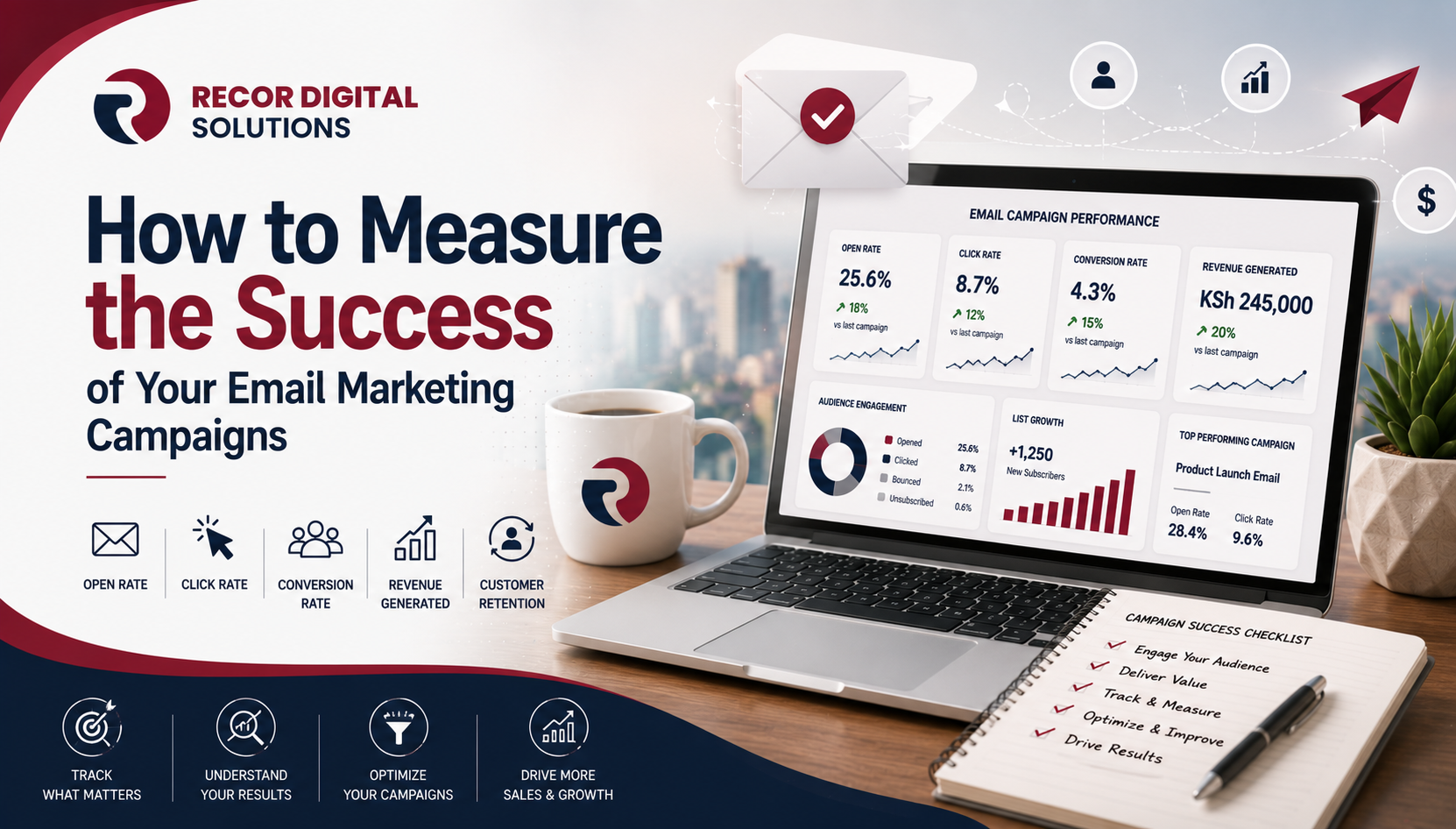
Measuring email marketing success goes beyond open rates and clicks. Learn which KPIs truly matter, from qualified leads and conversions to customer retention and ROI, and discover how to optimize your campaigns for long-term business growth.
How to Measure the Success of Your Email Marketing Campaigns
One of the biggest advantages of email marketing is that almost every action your audience takes can be measured. Unlike traditional advertising, where it's often difficult to determine what influenced a customer's decision, email marketing provides clear insights into how people interact with your campaigns and whether they're contributing to your business goals.
However, many businesses make the mistake of focusing only on marketing metrics such as email opens or clicks. While these numbers are useful, they don't tell the whole story.
The real success of your email marketing should be measured by its impact on enquiries, sales, customer retention, and overall business growth.
Before launching any campaign, define what success looks like for your business. Are you trying to generate more enquiries? Increase online sales? Encourage repeat purchases? Promote a new service? Your goals will determine which metrics matter most.
1. Email Open Rate
Your open rate measures the percentage of recipients who opened your email.
A high open rate usually indicates that your subject line captured attention and your audience recognizes and trusts your brand.
If your open rates are consistently low, it may indicate that:
- Your subject lines aren't compelling.
- Your emails are reaching the spam folder.
- Your audience isn't interested in your content.
- Your email list needs cleaning.
- Business Tip
Instead of writing promotional subject lines, focus on curiosity, value, or solving a specific problem.
For example:
❌ Our July Newsletter
✅ 5 Property Buying Mistakes Every First-Time Buyer Should Avoid
2. Click-Through Rate (CTR)
Getting someone to open your email is only the first step. The Click-Through Rate measures how many recipients clicked on a link inside your email. This tells you whether your content successfully encouraged readers to take the next step whcih may include :
- Visiting your website
- Booking a consultation
- Downloading a brochure
- Viewing available properties
- Requesting a quotation
- Shopping online
A strong click-through rate usually means your content is relevant and your call-to-action is clear.
3. Conversion Rate
For most businesses, this is the metric that matters most. A conversion occurs when someone completes the action your campaign was designed to achieve. Depending on your business, this could include:
- Completing a contact form.
- Booking a consultation.
- Purchasing a product.
- Registering for training.
- Scheduling a property viewing.
- Requesting legal advice.
While open rates and clicks indicate engagement, conversions demonstrate real business impact.
4. Enquiries and Qualified Leads
For service-based businesses, not every campaign is intended to generate immediate sales. Instead, success may be measured by the number of qualified enquiries generated.
For example:
- A law firm may measure consultation requests.
- A logistics company may measure quotation requests.
- A corporate training provider may track workshop enquiries.
- A real estate company may monitor property viewing requests.
- The quality of enquiries is often more valuable than the quantity.
5. Customer Retention and Repeat Purchases
Email marketing can also be used to nurture relationships and encourage repeat business.
Track metrics such as:
- Repeat purchases.
- Contract renewals.
- Returning website visitors.
- Customer lifetime value.
- Loyalty programme participation.
If existing customers continue engaging with your business through email, your campaigns are creating long-term value.
6. Unsubscribe Rate
Some subscribers will naturally leave your mailing list over time. However, consistently high unsubscribe rates may indicate:
- You're emailing too frequently.
- Your content isn't relevant.
- Your audience expectations weren't managed when they subscribed.
7. Return on Investment (ROI)
When implemented strategically, email marketing consistently delivers one of the highest returns on investment of any digital marketing channel because it focuses on people who already know and trust your business.
Key Business Takeaway
The success of email marketing is measured by the business outcomes those emails generate. While metrics like open rates and click-through rates help you understand audience engagement, the indicators that matter most are qualified enquiries, conversions, customer retention, repeat purchases, and return on investment. By focusing on these outcomes and reviewing campaign performance regularly, businesses continually improve their email marketing strategy and generate greater long-term value.